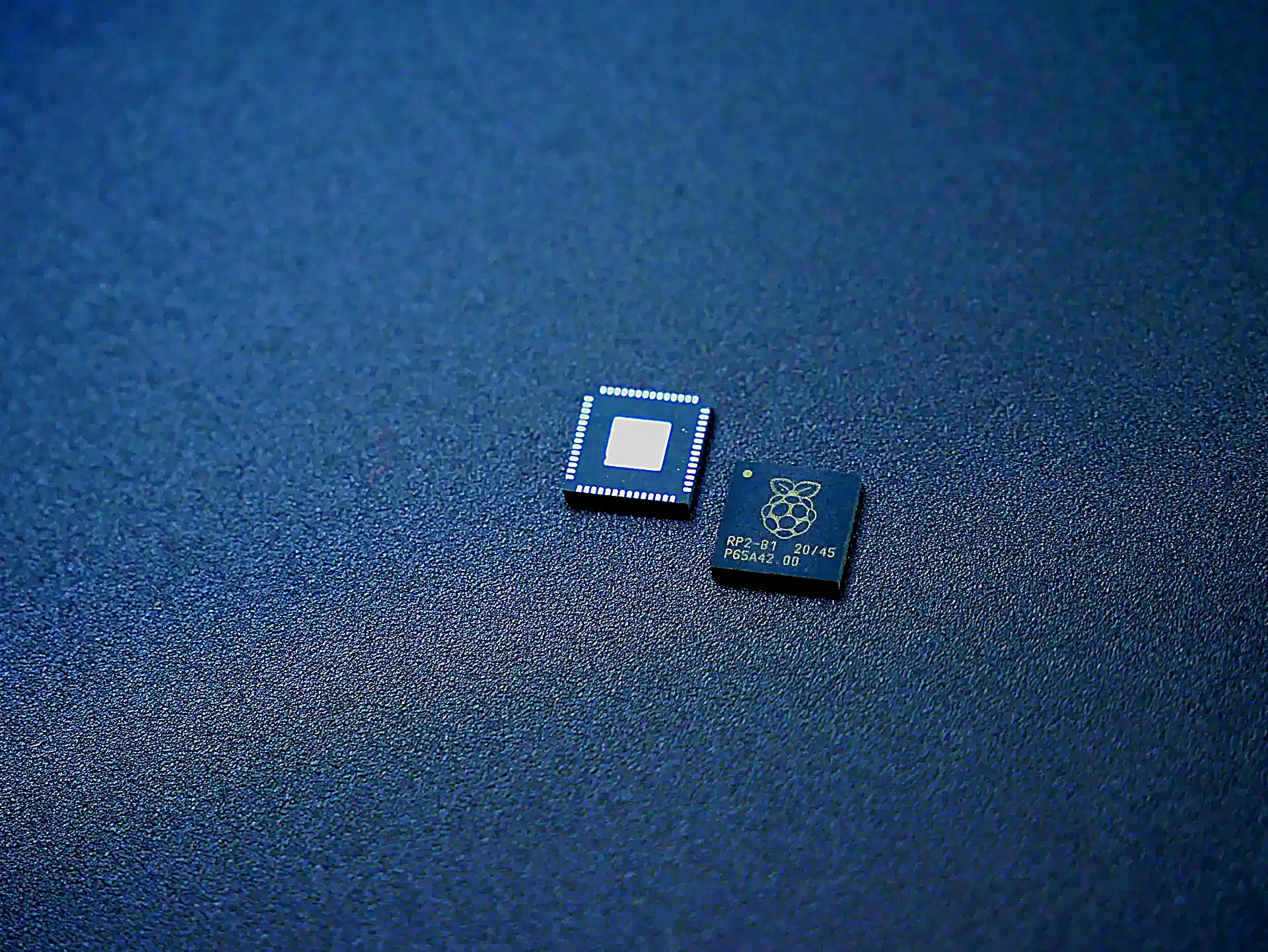
Qualcomm backs Ultrahuman's smart-ring expansion
Ultrahuman raised $70 million and is pushing more processing onto the ring itself. The move highlights edge AI design in wearables.
#
Key takeaways
- Ultrahuman raised $70 million in a reported funding round.
- Qualcomm Ventures is part of the investment.
- Ultrahuman says it is working with Qualcomm on a ring that uses Qualcomm silicon.
- The goal is to run more software and algorithms on-device.
- The company also plans software updates for existing rings by the end of September.
What the report says
TechCrunch reported on September 3, 2026 that smart-ring startup Ultrahuman raised $70 million. The report says Qualcomm Ventures was among the investors. It also says the company was reported at a $365 million valuation.
The same report says Ultrahuman is working with Qualcomm on a ring that uses the chipmaker's silicon. The stated aim is to move more software and algorithms onto the device itself. That would reduce dependence on a phone or cloud service for some processing.
Why this matters for product design
This is a clear example of edge AI thinking in a wearable product. The design choice is simple to describe. More work happens on the ring, and less work happens elsewhere.
That approach can shape how a product behaves. It can also shape how teams think about updates, performance, and software limits. The source does not provide technical details beyond the on-device direction, so any deeper interpretation is an assumption.
Software updates for existing rings
Ultrahuman also said it plans software updates for existing rings by the end of September. The report does not specify what those updates will include. It only confirms the timing and the target devices.
That detail matters because it shows the company is not only building new hardware. It is also planning support for products already in use. From a product perspective, that can help keep a device line active after launch.
Governance and operational considerations
The source supports a few general considerations. If more software runs on-device, the product team must manage what can be updated later. It also has to balance device capability with software ambition.
The report does not mention security, privacy, or regulatory issues. So those topics should not be treated as facts here. They remain general considerations only, not claims about this company or this product.
Morocco relevance
The source reports no Morocco-specific facts. For readers, the global lesson is that wearable products can shift more processing onto the device itself. That can matter when evaluating edge AI design, but it does not imply local availability or local use.
Bottom line
Ultrahuman's reported funding round is notable because it pairs capital with a product direction. The company says it wants more software and algorithms to run on the ring itself. That makes the story useful as a practical example of edge AI in wearables.
The report stays focused on funding, product design, and update plans. It does not establish broader market claims. It also does not support medical or Morocco-specific conclusions.
Follow us on Google
Add Intelligence Artificielle Maroc as a preferred source to see more of our relevant stories in Google Search.
What would you like to build?
We build custom AI platforms, SaaS products, intelligent business applications, and automation systems.
This form is for project inquiries, not general questions about artificial intelligence.